
How Expert Plumbing Workmanship Prevents Leaks, Equipment Damage, and Unexpected Repair Expenses
Hot water is one of those comforts people notice most when it disappears. A morning shower turns icy, dishes pile up, and suddenly the equipment tucked into a utility closet becomes the center of attention. Installing a new Water Heater may look like a straightforward swap, but the work behind a dependable supply of hot water is surprisingly detailed. Connections must suit the home’s plumbing, the equipment must fit the household’s needs, and safety devices need to function as intended. It also helps to know who will be responsible for removing the old unit and checking nearby connections. When an experienced plumber handles those decisions, homeowners are less likely to inherit a problem hidden behind an otherwise shiny new appliance.
Sizing is a good place to begin. A household with overlapping showers, laundry loads, and kitchen use needs a different hot water setup from one where demand is modest. Choosing by tank size or promotional price alone can leave people short of hot water or paying to heat more than they need. A professional considers usage patterns, available fuel or electrical capacity, and the manufacturer’s installation requirements. That conversation can also reveal whether the existing space offers enough clearance for servicing and ventilation where required. Small planning decisions here have a way of shaping daily comfort for years.
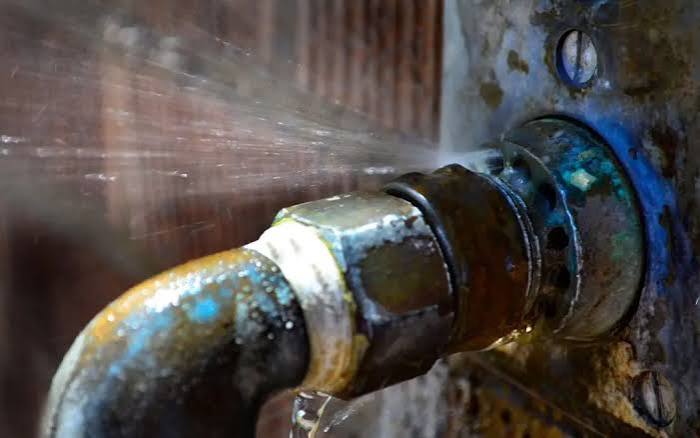
Then come the details that should never be treated as shortcuts. Supply connections need suitable fittings, pressure relief equipment must be installed and discharged correctly, and gas or electrical work must comply with applicable requirements. Fuel-burning units may also need carefully planned venting and combustion air. A mistake in any of these areas can cause leaks, equipment damage, or serious safety hazards. Qualified professionals know when permits or inspections are necessary and when licensed specialists must handle particular connections. The goal is more than getting hot water to flow. It is making sure the system operates safely under normal household conditions.
A rushed installation can create a particularly frustrating kind of expense: the bill that arrives after the original job was supposedly finished. A slow leak around a fitting may damage flooring before anyone spots it. Incorrect settings or overlooked pressure concerns can also undermine performance. A careful plumber checks the finished connections, verifies operating temperatures and safety features, and explains what was tested. Homeowners should receive a clear account of any changes needed to the original plan. That is a conversation worth having before any unexpected work starts. Such transparency makes it easier to distinguish essential work from optional upgrades, without feeling pressured into buying equipment that offers little practical benefit.
The final step is knowing how to look after the system once the installer has left. Ask about maintenance recommendations, warranty terms, shutoff locations, and signs that deserve prompt attention. For anyone arranging a Water Heater replacement, it is worth choosing a contractor who welcomes those questions and provides a written estimate before work begins. Even a well-installed unit will eventually need care, but solid workmanship gives it a much better starting point. A reliable supply of hot water should fade back into the background of everyday life. That quiet convenience is the real reward for getting the installation right.