
Mastering the Art of Japanese Auto Maintenance: Your Key to Longevity
Owning a Japanese vehicle is a rewarding experience, especially when you consider their reputation for reliability and longevity. If you’re committed to keeping your car for years to come, understanding the nuances of Japanese auto repair is essential. These vehicles often come with unique engineering and design elements that require specific maintenance and repair practices. Knowing how to navigate this landscape can save you time, money, and stress in the long run.
One of the first steps in ensuring your Japanese car remains dependable is to familiarize yourself with its specific maintenance schedule. Unlike some other car brands, Japanese vehicles often have more precise intervals for services like oil changes, brake inspections, and fluid replacements. You can find this information in your owner’s manual, which is a goldmine of details tailored to your model. Following these guidelines closely will help prevent minor issues from escalating into costly repairs.
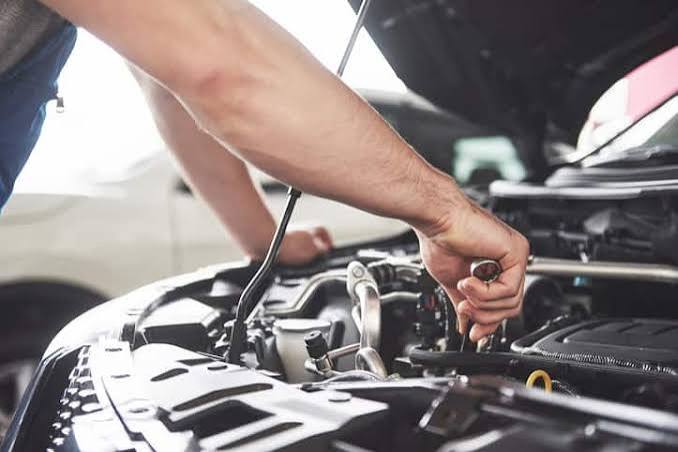
In addition to adhering to the recommended maintenance schedule, you should also seek out mechanics who specialize in Japanese auto repair. These technicians have a deeper understanding of the engineering behind your vehicle and can identify potential issues that general mechanics might overlook. Look for auto shops with certifications specifically related to Japanese makes, as this indicates a level of expertise that will benefit you in the long run. Building a relationship with a skilled mechanic can make all the difference, as they can offer personalized advice and insights based on your vehicle’s history.
Don’t underestimate the importance of using quality parts when repairs are necessary. While it may be tempting to opt for cheaper alternatives, low-quality parts can lead to further issues down the line. Investing in OEM (Original Equipment Manufacturer) parts ensures that you’re getting components designed specifically for your vehicle, which can enhance both performance and longevity. Discussing your options with your mechanic will help you make informed decisions about parts that fit your budget while still maintaining quality.
Finally, don’t forget the value of preventative measures. Regularly checking your tire pressure, monitoring fluid levels, and keeping an eye on your brakes can proactively prevent problems. Being proactive not only extends the life of your vehicle but can also enhance your overall driving experience. By embracing these practices, you’ll be well on your way to enjoying your Japanese car for many more years.